Planning a trip to Luxor, Egypt? You are heading to the city with more ancient monuments per square mile than anywhere on earth — Karnak, the Valley of the Kings, Hatshepsut’s temple and the Nile between them. This guide covers everything: the sites bank by bank, how many days you need, when to come, and how to organize it all.
Quick Answer: Luxor, Egypt is the ancient city of Thebes, home to the Valley of the Kings, Karnak and Luxor temples. Two full days cover the highlights — one for the East Bank (Karnak and Luxor Temple) and one for the West Bank (royal tombs and Hatshepsut’s temple) — with a sunrise hot air balloon as the classic extra.
- East Bank = the great temples and the modern city; West Bank = tombs and mortuary temples.
- October to April is the comfortable season; summer means early starts.
- Luxor is the start or end point of the classic Nile cruise to Aswan.
Luxor’s Two Banks, Explained
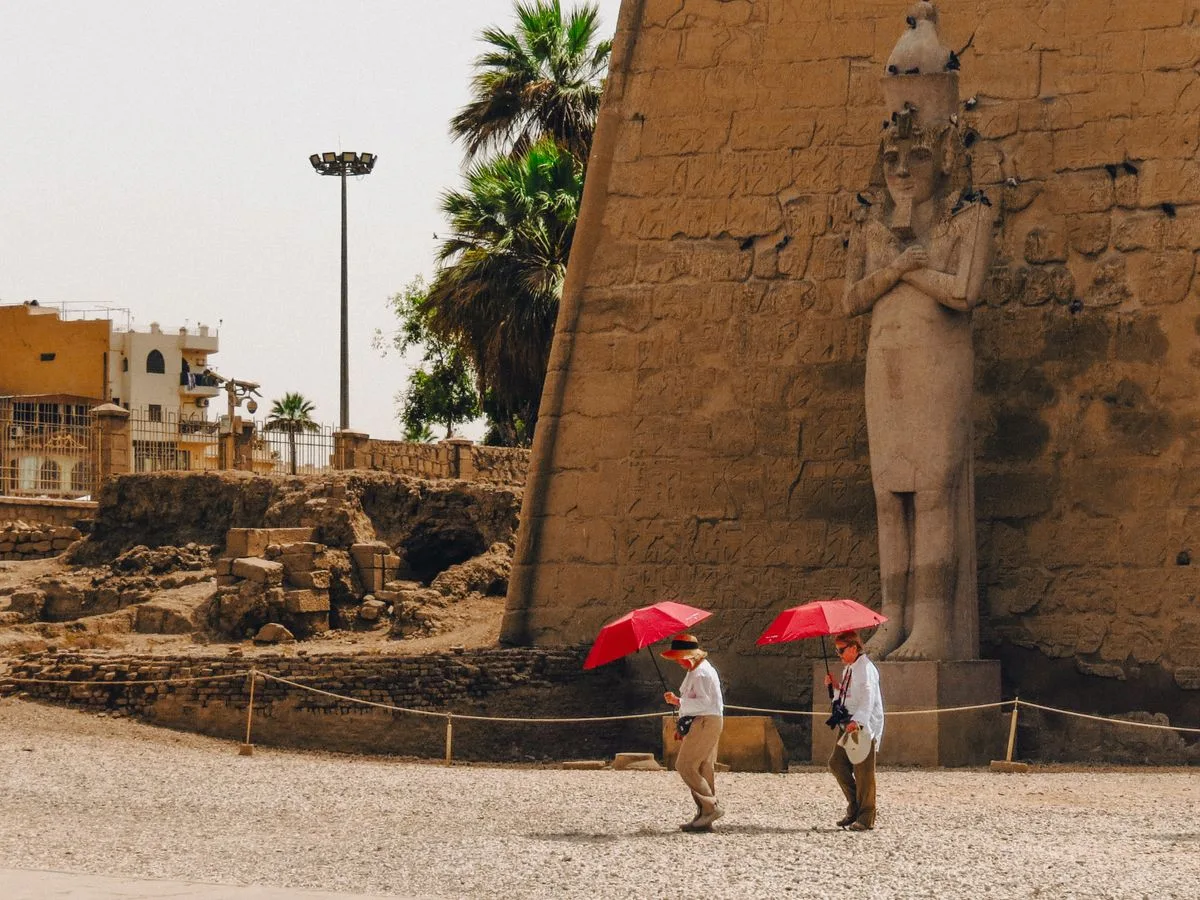
The Nile splits Luxor into two very different experiences. The East Bank is the side of the living city and the temples of the gods: Karnak and Luxor Temple. The West Bank was ancient Thebes’ city of the dead: the Valley of the Kings, the Valley of the Queens, Hatshepsut’s terraces, Medinet Habu and the workers’ village of Deir el-Medina.
The East Bank: Karnak and Luxor Temple
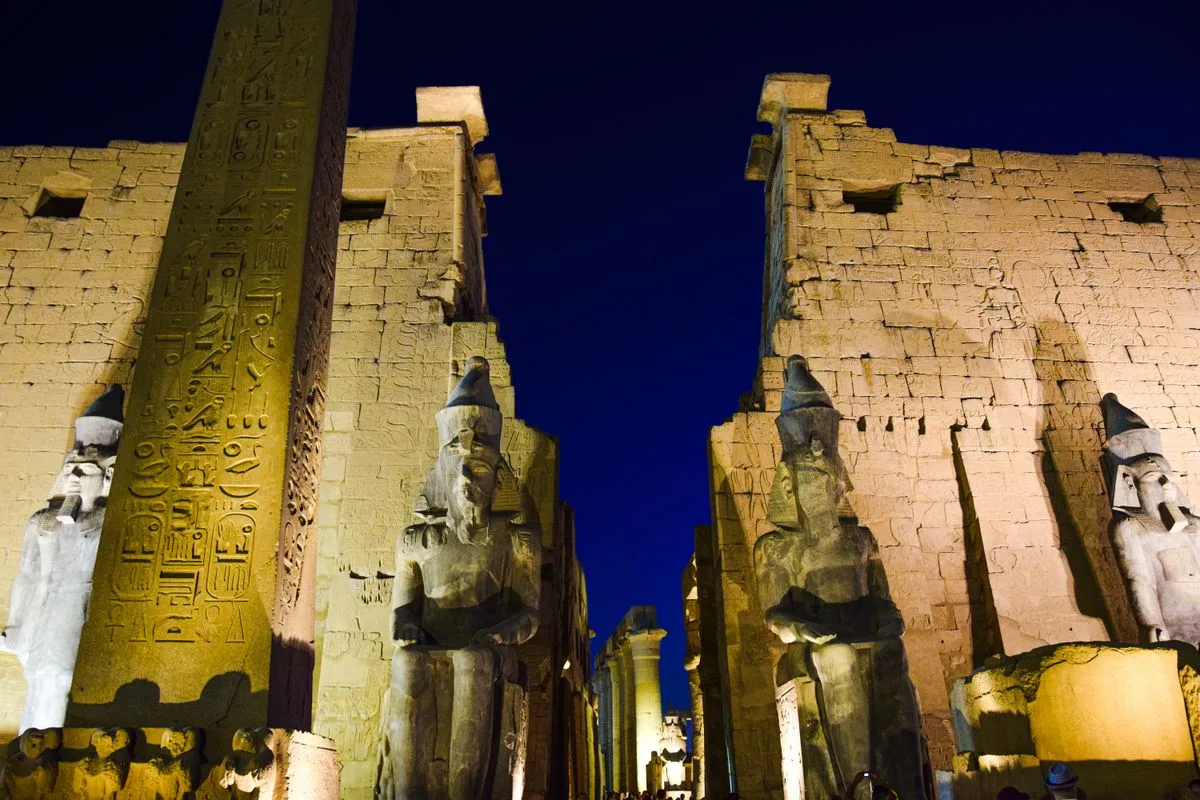
Karnak Temple is the largest religious complex ever built — its Great Hypostyle Hall alone holds 134 giant columns. A visit takes two to three hours done properly. Luxor Temple, connected to Karnak by the restored Avenue of Sphinxes, is smaller and at its most atmospheric after sunset when the lights come on. Both fit in one day with a break in between — the shape of our private Karnak and Luxor Temple tour.
The West Bank: Tombs and Temples of the Dead
The Valley of the Kings hides more than 60 royal tombs, their painted corridors still vivid after 3,000 years. Nearby rise the terraces of Hatshepsut’s temple — Egypt’s female pharaoh — and two sites most tours skip but shouldn’t: Medinet Habu, the best-preserved mortuary temple in Luxor, and Deir el-Medina, the village of the men who carved the royal tombs. Our Valley of the Kings private tour covers the West Bank essentials with an Egyptologist.
The Hot Air Balloon at Sunrise
Luxor is one of the world’s great ballooning sites: you lift off before dawn and float over the Valley of the Kings, Hatshepsut’s temple and the green line of the Nile as the sun rises. Book the hot air balloon ride early in your stay so a windy morning can be rescheduled.
Beyond the Big Four
With an extra day: the Luxor Museum (the best-curated collection in Upper Egypt), a felucca sail to Banana Island, or the half-day drive north to Dendera and Abydos — two of the best-preserved temples in Egypt, covered in our Dendera and Abydos day trip.
How Many Days in Luxor?
| Days | What you can cover |
|---|---|
| 1 day | Highlights sprint: Valley of the Kings + Hatshepsut + Karnak |
| 2 days | The classic: East Bank day + West Bank day, balloon at sunrise |
| 3+ days | Add Dendera & Abydos, Luxor Museum, Medinet Habu at leisure |
See our full 2-day Luxor itinerary for the hour-by-hour version.
When to Visit Luxor
October through April brings warm, walkable days — December and January are the mildest and busiest. Summer is very hot: tour at opening time, rest at midday, and visit Luxor Temple in the evening. Whatever the month, mornings are the golden hours at every site.
Getting to Luxor — and Onward
Luxor has an international airport with short flights from Cairo. From the Red Sea, it is a popular day trip from Hurghada. Heading south, the classic route is the Nile cruise to Aswan via Edfu and Kom Ombo, and from Aswan the trip to Abu Simbel.
Ancient Thebes—modern Luxor, Egypt—is a UNESCO World Heritage Site, and its monuments are protected for their outstanding universal value. You can read the official listing on the UNESCO World Heritage Centre.
FAQs About Luxor, Egypt
What is Luxor, Egypt famous for?
Luxor stands on the site of ancient Thebes and holds the Valley of the Kings, Karnak Temple, Luxor Temple and Hatshepsut’s temple — the densest concentration of ancient monuments in the world.
Is Luxor worth visiting?
Yes — if you see one place in Egypt beyond the Pyramids, make it Luxor. Nothing else compares to the West Bank tombs and Karnak in one small city.
How many days do you need in Luxor?
Two full days cover the essentials comfortably; three lets you add Dendera and Abydos or slow the pace.
Is Luxor safe for tourists?
Luxor is one of Egypt’s most tourism-oriented cities, with visitor security at every major site. The usual advice is about sun and souvenir sellers, not safety.
What is the best way to visit Luxor’s sites?
With a licensed Egyptologist guide and a driver — the sites are spread out and their stories are what make them. Browse our Luxor tours and day trips.
Planning your Luxor days? Tell us your dates on WhatsApp and we will build the route around your pace — or start from our 7-day Egypt itinerary.